
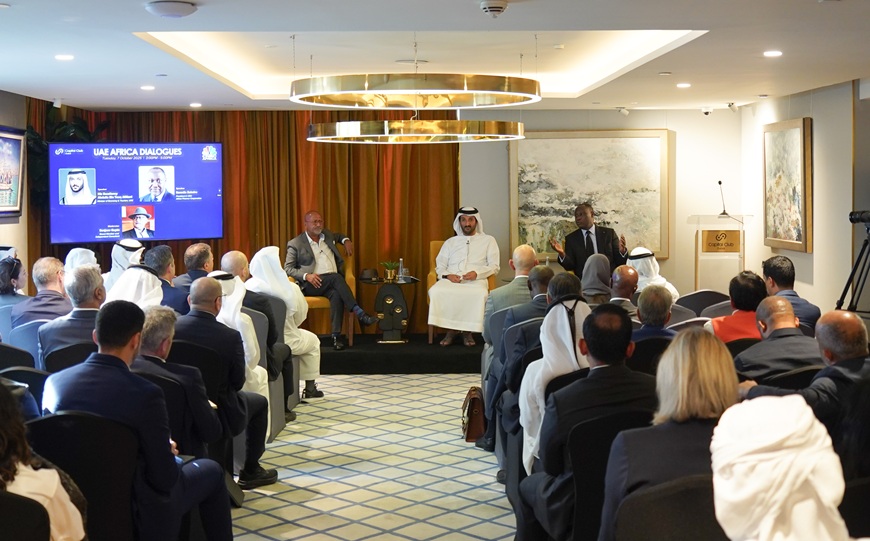
Dubai, 7th Nov 2025 — The UAE and Africa launched a new chapter in their economic
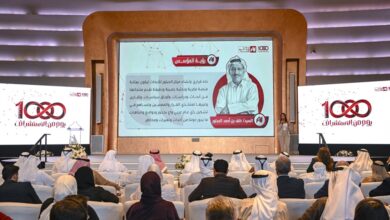
partnership this week with the inaugural UAE-Africa Dialogues, organised by Capital Club
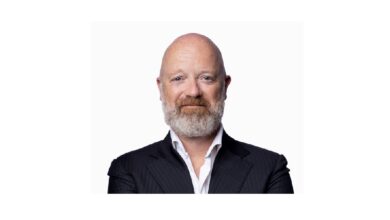
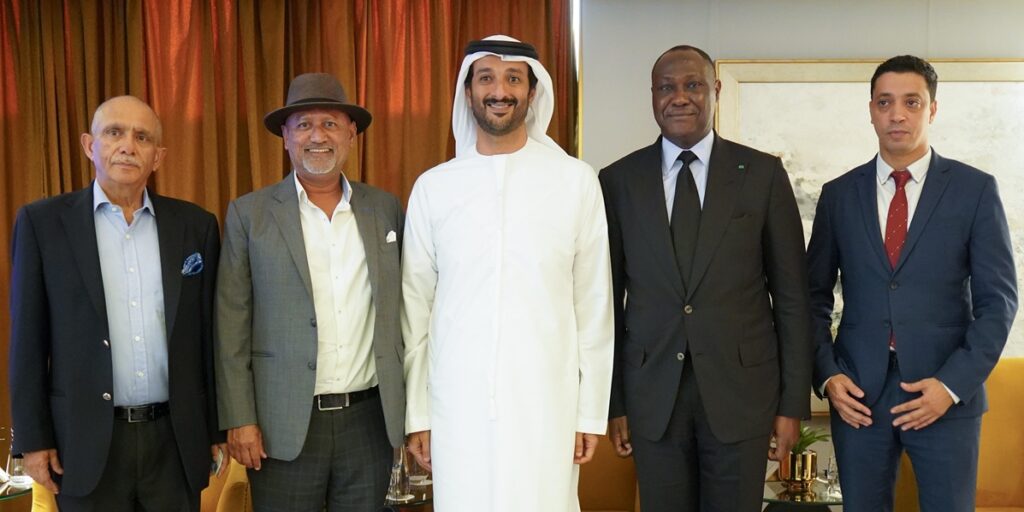
Dubai, in partnership with Sanjeev Gupta and CNBC Africa. The first high-level conversation
featured His Excellency Abdulla Bin Touq Al Marri, UAE Minister of Economy and Tourism,
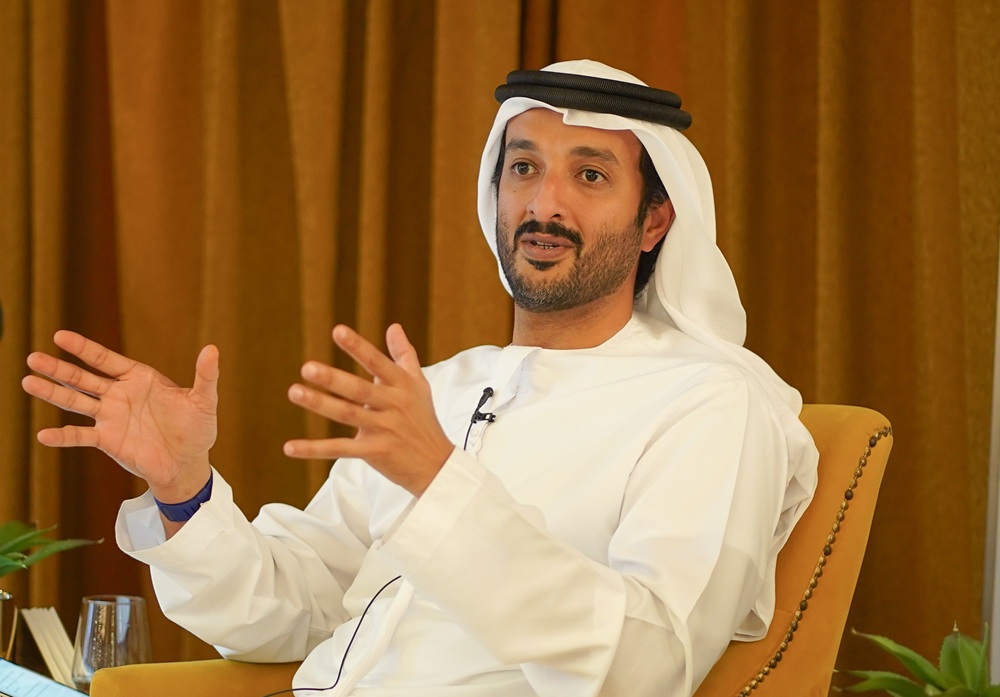
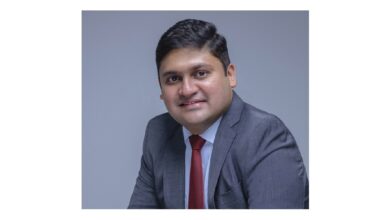
and Samaila Zubairu, President & CEO, Africa Finance Corporation. The conversation was
moderated by Sanjeev Gupta, Board Member and Independent Consultant.
The dialogue sets the stage for closer collaboration between the UAE and African nations,
spotlighting a remarkable 87% surge in trade over five years and more than US$97 billion
invested or pledged recently.
The UAE-Africa Gateway platform, launched in August 2024, by
the UAE Ministry of Economy and Tourism, aims to open further doors for business and
investment across Sub-Saharan Africa. The UAE holds a significant position as an investor in
Africa, ranking fourth globally behind China and European nations.
H.E. Bin Touq elaborated on the UAE’s mindset of abundance, emphasizing that the nation’s
prosperity is founded on openness, innovation, and generosity rather than natural resource
wealth. “Our national philosophy is rooted in creating opportunity and shared value,” he noted.
“The UAE’s engagement in Africa is not driven by short-term interest but by a belief in shared
prosperity and sustainable growth. We aim to export our model of value creation and
collaboration, empowering future-oriented economies across the continent.”
Africa Finance Corporation, Africa’s leading infrastructure solutions provider with forty-six
member countries and a balance sheet of $16.8 billion, led by Samaila Zubairu, highlighted
AFC’s transformative approach: “Our mission is to transform Africa’s potential into real progress
by converting perceived risk into tangible opportunity. The UAE’s engagement demonstrates
the power of trust, collaboration, and a shared vision for prosperity.”
Both leaders stressed the importance of Development Finance Institutions (DFIs) in bridging risk
gaps and accelerating capital deployment. H.E. Bin Touq emphasized that DFIs play a vital role
in co-investment and project validation, citing them as essential partners for private investors.
“Family businesses and investors seeking opportunities in Africa should view DFIs as their
partners in success. This is the moment to get on board the ‘train south.’”
At his opening remarks, Sanjeev Gupta stressed that sustainable partnerships require mutual
understanding and respect for each other. Dialogues like these are therefore important to
embed a culture that focuses on securing the spirit of solidarity and forges ahead based on
common agendas.
Mr. Zubairu highlighted AFC’s practical success stories, including guarantees that have
mobilized billions in co-financing and major initiatives such as the Lobito Corridor, an 830-
kilometre rail project connecting Angola and Zambia, with the aim to enhance regional trade
and connectivity: “We’ve committed substantial initial risk capital to bring this visionary project
to fruition, forging the first direct link between the Atlantic and Indian Oceans.”
H.E. Bin Touq also noted the UAE’s commitment to multilateral diplomacy, stating, “The UAE
aims to be a nexus, facilitating the flow of global resources and contributing to worldwide
prosperity. Multilateralism is the mechanism through which nations can convene, collaborate,
and architect the future of global trade.” He also outlined a broader vision of a South–South
economic corridor linking Africa to South America, calling it “the next great opportunity for
global trade realignment.”
Addressing geopolitical complexities, Zubairu explained AFC’s approach: “Our guiding principle
is to remain focused on our own strategic objectives. We are confident in this approach
because our relevance to both sides allows us to chart an independent course.”
The dialogue concluded with a call to action for greater private sector engagement. Both
leaders encouraged family offices, financial institutions, and enterprises to leverage the UAE’s
gateway position to access Africa’s booming markets. Emphasis was placed on regulatory
reform, digital innovation, and risk mitigation as key enablers for attracting global investment.
Mr Zubairu illustrated AFC’s “Arise Integrated Industrial Platforms initiative” – a single,
streamlined hub where a business could get every permit and approval needed to operate.
That idea has since scaled to fourteen countries, proving to be a powerful catalyst for
investment. Its financial success validated the model, encouraging lenders to become equity
investors and attracting a landmark $700 million in capital from the Gulf. “Today, these
platforms are powering real progress, including Africa’s first carbon-neutral park, major textile
and food production hubs, and new trade routes for African businesses.”
H.E. Bin Touq echoed this sentiment, noting the UAE’s readiness to partner with African DFIs
and private investors to unlock new sectors—including renewable energy, logistics, ports, and
data infrastructure. “This is a partnership of equals, rooted in shared ambition and a belief in
abundance. My hope is that this conversation encourages us all to view Africa through a fresh
lens, moving beyond conventional risk assessments. Instead, I urge you to explore the immense
investment potential that DFI has already identified and is eager to realize. These opportunities
are ripe for partnership; they are waiting for the right vision and resources to bring them to
fruition,” he concluded.