
New research shows how inherited genetics vary across populations and can influence which cancers a woman develops and how they respond to treatment
ABU DHABI, DUBAI, RIYADH, DOHA, 8 May 2026. On World Ovarian Cancer Day, Memorial Sloan Kettering Cancer Center (MSK), one of the world’s leading cancer centers, is urging women and families across the Gulf region to prioritize early evaluation for ovarian cancer. In the Gulf, women tend to be diagnosed with cancer at a younger age than in Western countries, with peak female cancer incidence falling between 40 and 60 years, compared to a global median ovarian cancer diagnosis age of 63.[1] For a disease where catching it early can mean the difference between a strong chance of survival and a slim one, that earlier window matters enormously.
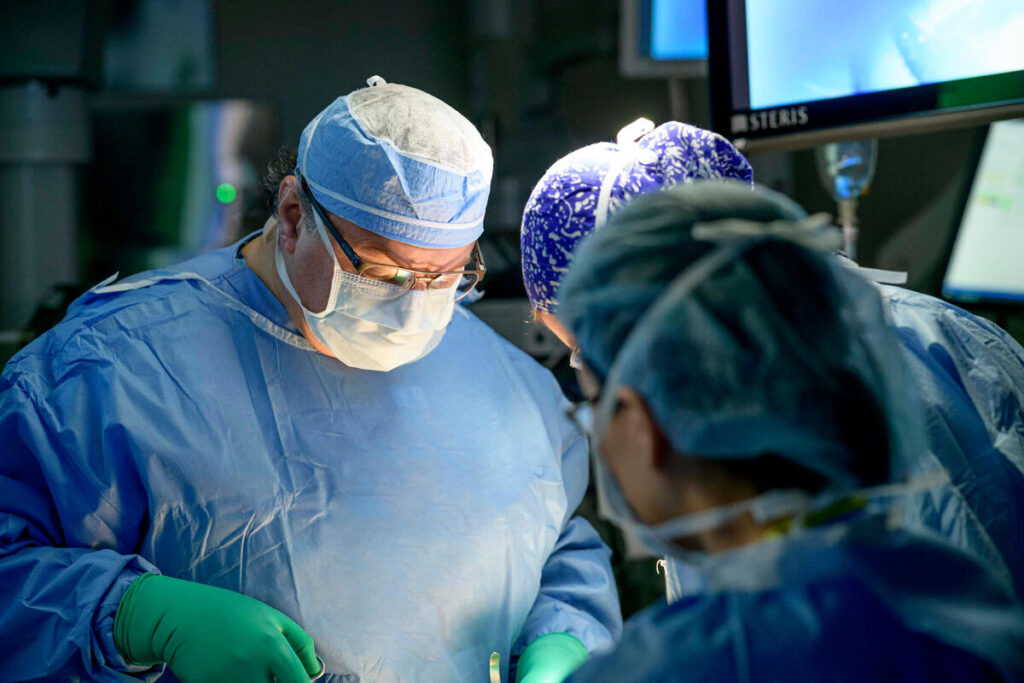
Ovarian cancer is one of the hardest cancers to detect early. Its symptoms, including bloating, pelvic discomfort, and changes in appetite, are easily attributed to other causes. Globally, around two-thirds of cases are diagnosed at stage III or IV, when the disease has already spread. As specialist gynaecologic oncology services continue to develop across the Gulf, access to internationally recognised centres remains an important option for patients with complex or advanced disease.
“When ovarian cancer is caught early, survival rates are dramatically higher,” said Nadeem R. Abu-Rustum, Chief of the Gynecologic Service at MSK. “The challenge is building the awareness and access that make early detection possible, and that starts with women feeling confident to raise their concerns with a doctor.”
New research shows how inherited genetics shape tumor genomes
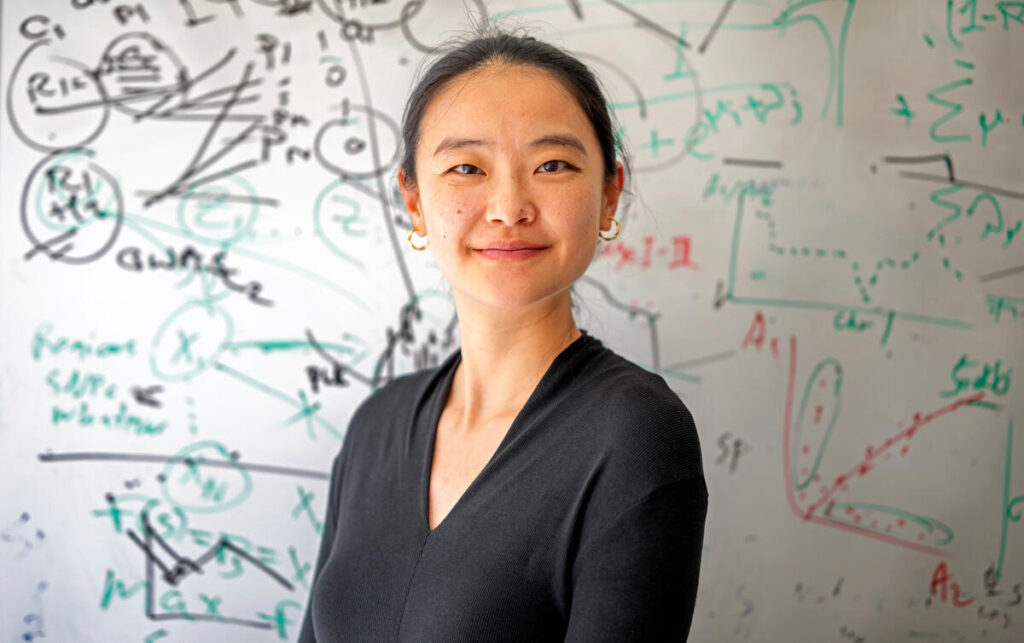
At the 2026 American Association for Cancer Research (AACR) Annual Meeting, MSK oncologist Dr. Jian Carrot-Zhang presented findings from a large-scale multi-ancestry study showing that the genes you are born with can influence how a cancer develops and behaves and that these patterns differ across populations. Research from the Gulf region has found that genetic testing for these variants is not yet routine practice across the region, despite its potential to guide personalized treatment.[2]
“Understanding how inherited genetics influence tumour development could open new doors for more personalized cancer care,” said Dr. Carrot-Zhang. “Since many of the changes we studied are already used to guide treatment decisions, this research has immediate practical implications for patients and their oncologists.”
MSK’s gynaecologic oncology programme brings together surgery, chemotherapy, targeted therapy, immunotherapy, and genetic counselling under one roof. For patients travelling from the Gulf, whether seeking a second opinion or treatment for advanced or complex disease, the Center’s international patient services team supports the full journey, from first consultation to follow-up care.
MSK encourages women, particularly those with a family history of ovarian or breast cancer, to speak with a healthcare provider if any symptoms persist for more than two to three weeks.