

62-year-old patient’s improved blood pressure control after kidney artery treatment highlights the importance of identifying underlying contributors
Renal artery stenosis can be present without noticeable symptoms, making attention to blood pressure readings particularly important
Uncontrolled blood pressure can damage blood vessels and organs over time, increasing the risk of stroke, heart disease and kidney damage.
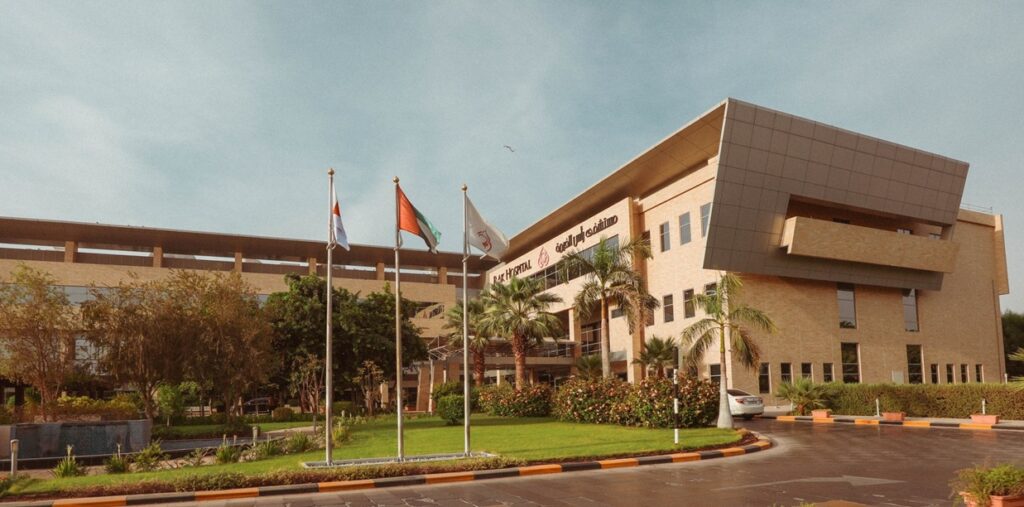
28 October 2026; Ras Al Khaimah, UAE: Persistently high blood pressure despite prescribed medication should prompt further investigation rather than be accepted as inevitable, RAK Hospital has urged. The hospital highlighted the case of a 62-year-old man whose blood pressure remained inadequately controlled despite multiple medicines, with investigations revealing approximately 70% narrowing of an artery supplying his left kidney.
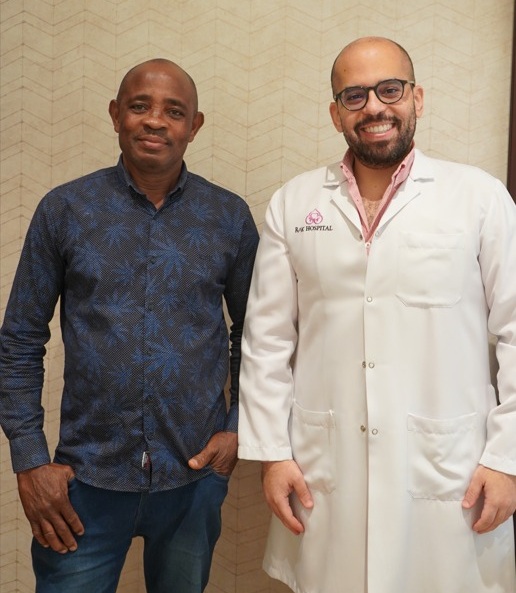
The narrowing, known as renal artery stenosis, was considered a likely contributor to his resistant hypertension. Following multidisciplinary assessment, the patient underwent catheter-based angioplasty and stenting at RAK Hospital. His blood pressure control improved after the procedure.
“Persistently uncontrolled blood pressure should not simply be accepted as something a patient has to live with,” said Dr. Ahmed Sharafeldin, Consultant Interventional Cardiologist at RAK Hospital. “When readings remain high despite appropriate treatment, we need to understand why. In some patients, identifying an underlying and potentially treatable contributor can help guide a more targeted approach to care.”
The kidneys play an important role in regulating blood pressure, creating a relationship that works in both directions. Prolonged high blood pressure can damage the kidneys’ small blood vessels and filtering structures. However, a reduced blood supply to a kidney can itself trigger responses that raise blood pressure.
When a kidney artery becomes significantly narrowed, the kidney may interpret the reduced flow as a sign that the body’s blood pressure is too low. It responds by activating hormonal signals that tighten blood vessels and encourage the retention of salt and water, potentially keeping blood pressure elevated despite treatment.
Timely assessment matters because the consequences can extend beyond a high reading. Persistently uncontrolled blood pressure can damage blood vessels and organs over time, increasing the risk of stroke, heart disease and kidney damage. Significant renal artery narrowing may also compromise kidney function. Identifying underlying contributors helps doctors determine appropriate treatment and monitoring to reduce these risks.
Renal artery stenosis can be present without noticeable symptoms, making attention to blood pressure readings particularly important. Further assessment may be appropriate when hypertension remains difficult to control despite treatment, particularly when several medications are required, hypertension develops unexpectedly or there is unexplained deterioration in kidney function.
In this patient, the extent and clinical significance of the narrowing, together with persistent hypertension despite medical treatment, supported the decision to intervene. The team performed angioplasty to widen the narrowed section and inserted a stent—a small supporting tube—to help keep the artery open. The procedure was completed without reported complications.
At early follow-up, the patient also reported that his previous left-sided flank pain had resolved. The medical team noted that this is not a typical symptom of renal artery stenosis and that its resolution does not establish that the narrowing caused it. Further blood pressure monitoring and kidney function tests were planned to assess his progress and guide ongoing care.
“Finding a narrowed renal artery does not automatically mean a patient needs a stent. Many patients can be managed with medication, regular monitoring and treatment of cardiovascular risk factors,” explained Dr. Sharafeldin. “Hypertension often has several contributing factors. The decision to intervene depends on whether the narrowing is having an important clinical effect and on the patient’s overall condition.”
Sharing his experience and expressing his gratitude, patient Frank Chinemerem said: “I would like to express my sincere gratitude to Dr. Ahmed Sharafeldin and the entire team for the exceptional care and professionalism I experienced at RAK Hospital following my diagnosis of atherosclerosis of the renal artery.
“From diagnosis to the completion of my successful renal artery angioplasty, Dr. Ahmed demonstrated expertise, experience, patience, compassion and commitment. He took the time to explain every aspect of the procedure, address all my concerns and gave me confidence during this challenging time and throughout the procedure. I hereby recommend Dr. Ahmed Sharafeldin and the RAK Hospital team to anyone around the world seeking medical care.”
RAK Hospital encourages patients to remain attentive to their readings even when they feel well. If blood pressure consistently remains above the target agreed with their doctor despite prescribed treatment, patients should arrange a medical review and bring their blood pressure records and medication details. They should continue treatment as prescribed and seek medical advice before making changes, rather than waiting for symptoms to appear.