
As travellers seek rest, time in nature and a closer connection with the places they visit, Shurooq’s retreats offer a setting for a more considered kind of holiday.
Sharjah, 2 November 2026,
A holiday is something people save for, plan months ahead and often fill by the hour. Slow travel takes a different approach: choosing a place worth spending time in and allowing room to get to know it.
That means fewer changes of base, more local exploration and closer attention to a destination’s people, food, history and landscape. Walking, cycling or revisiting a favourite spot allows curiosity to shape the itinerary.
The idea draws on the wider slow movement, including Slow Food, founded in Italy in 1986 and established internationally in 1989 to protect regional food traditions and the pleasure of unhurried meals. Applied to travel, the same philosophy encourages a deeper appreciation of local character.
Four decades later, it aligns with today’s holiday priorities. Hilton’s 2026 Trends Report found that 56% of surveyed travellers identified rest and recharging as a leisure travel motivation, while 37% wanted time in nature and 36% sought better mental well-being, helping explain the appeal of holidays with room for discovery and recovery.
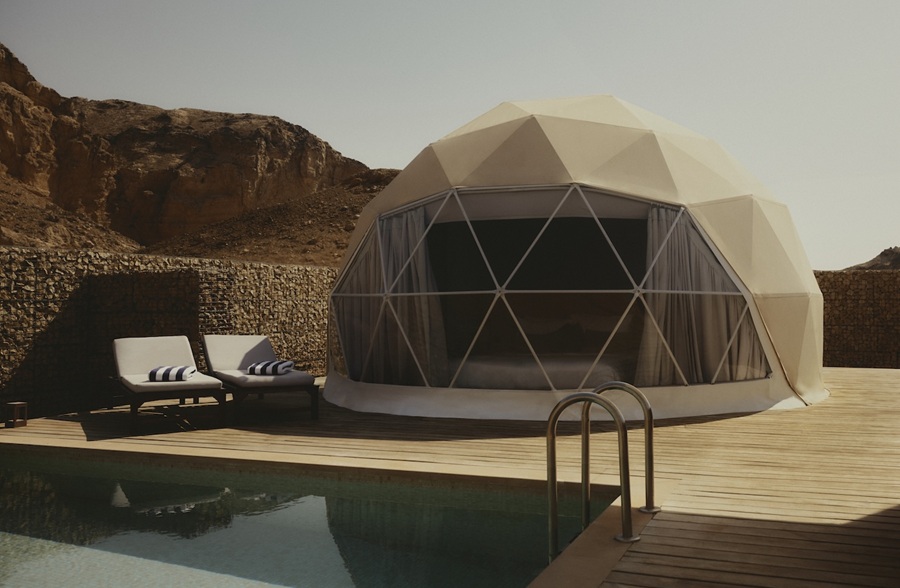
For Sharjah, the opportunity lies in the variety of places where that experience can unfold. Through its hospitality developments, the Sharjah Investment and Development Authority (Shurooq) has created opportunities to stay within desert landscapes, coastal environments and restored heritage settings, giving visitors a base from which to explore the emirate more closely.
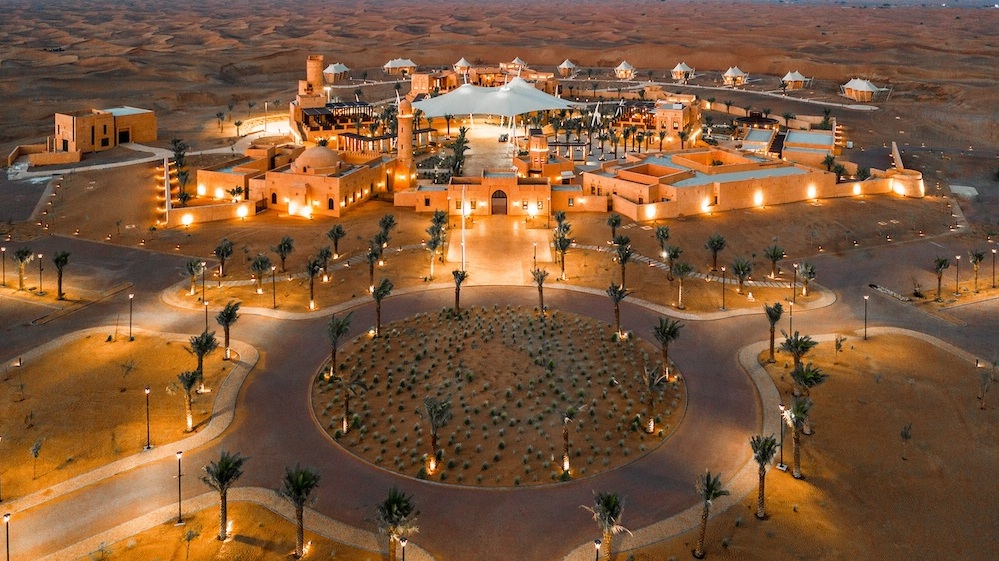
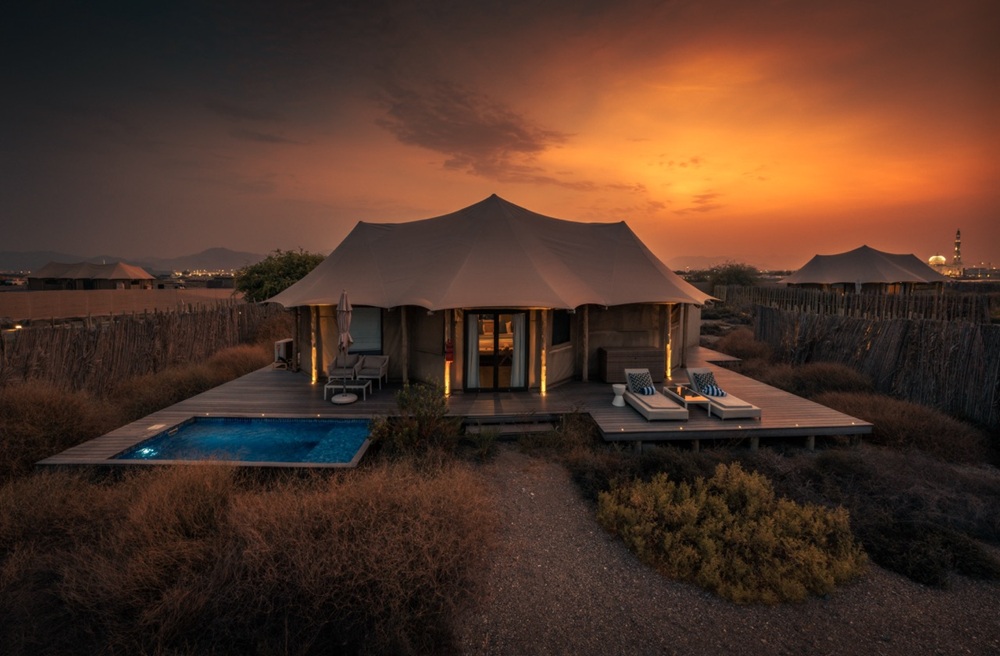
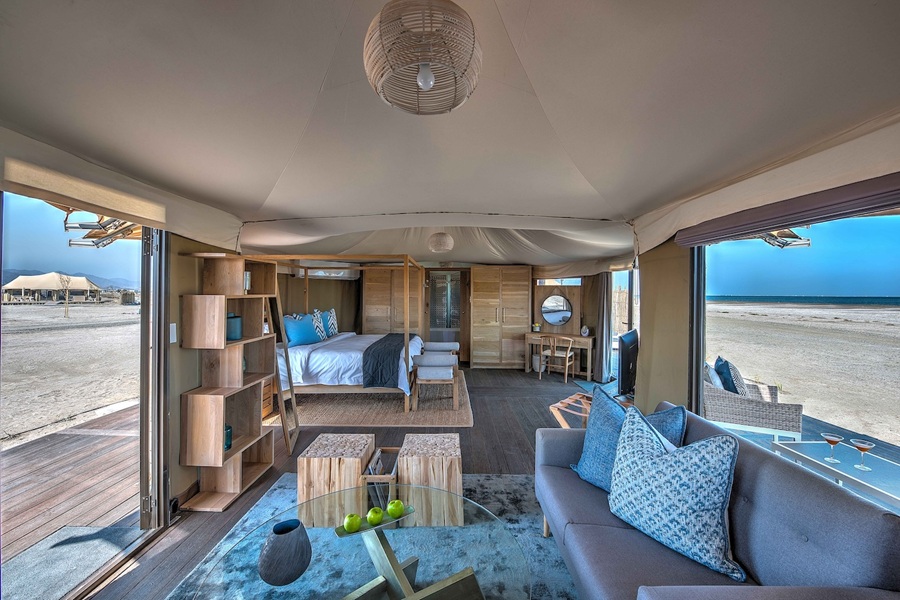
At Moon Sharjah Retreat, set within Mleiha National Park, desert exploration and stargazing illustrate what time adds to a stay. Guests in domes and tents can experience the surroundings during the day and remain for the night sky. The landscape provides continuity between an active afternoon and a quieter evening, without every part of the day becoming a separate excursion.
That freedom is central to slow travel. A walk can occupy the morning because there is something worth following. An afternoon can remain open. Adventure has a place, with guests choosing how much to take on and how long to spend enjoying it.
Nature rewards this attention. At Kingfisher Sharjah Retreat in Kalba, the island setting, mangroves and wildlife give the experience a coastal dimension. Kayaking, cycling and nature walks offer ways to explore, while staying nearby keeps the surroundings part of the holiday between activities. There is time to revisit, ask questions and notice more.
The same attention can deepen an encounter with history. Al Faya Sharjah Retreat sits within Mleiha National Park, home to the UNESCO World Heritage-listed Faya site and an exceptional record of human presence and adaptation to changing environments. The retreat’s original buildings, a former clinic and shop dating to the 1960s, add a more recent layer of local history.
These surroundings give a slower visit substance. Exploring the area’s archaeology helps visitors understand how people lived in the landscape and see its features with new context. Rest and learning become complementary parts of the holiday.
That connection with local identity brings slow travel back to its origins: an appreciation of what makes places different. In Khorfakkan, Najd Al Meqsar Sharjah Retreat, restored stone houses place guests within a historic mountain village, making its heritage part of the stay itself. Al Badayer Sharjah Resort draws on the traditional caravanserai, bringing Emirati heritage and contemporary comfort together among the red dunes of central Sharjah.
For Shurooq, developing hospitality experiences around Sharjah’s natural and cultural assets is central to creating distinctive ways for visitors to discover the emirate. By connecting places to stay with the landscapes, heritage and experiences around them, the authority supports a more immersive approach to travel, encouraging visitors to explore beyond their accommodation and engage more deeply with the character of each destination.
The wider travel market also shows signs of more considered choices about where and when to visit. Booking.com’s 2026 Travel & Sustainability Report, based on research among 32,500 travellers across 35 markets, found that 43% planned to avoid overcrowded tourist destinations and 42% intended to travel outside peak season. Among those choosing quieter destinations, 44% wanted to avoid contributing to overtourism.
Alongside the demand for rest and nature, these findings suggest an opportunity for slow travel to influence everyday holiday decisions: choosing one base, exploring locally and leaving room for experiences that emerge during the stay. For destinations, this places greater importance on preserving the qualities that make somewhere worth knowing.
In Sharjah, the desert, coast and mountain villages provide different starting points. The choice is where to settle in, what to explore and how much of the day to leave open. Sometimes, the most valuable part of a holiday is having enough time to decide.